The History of the Hip Thrust Machine

Few exercises have transformed lower-body training like the hip thrust. As a result, it has redefined how athletes and everyday gym-goers train their glutes, yet for years, the movement was awkward to set up and uncomfortable to perform. Out of that problem came the idea for the dedicated hip thrust machine – a simple, safer way to make hip thrusting accessible to everyone.

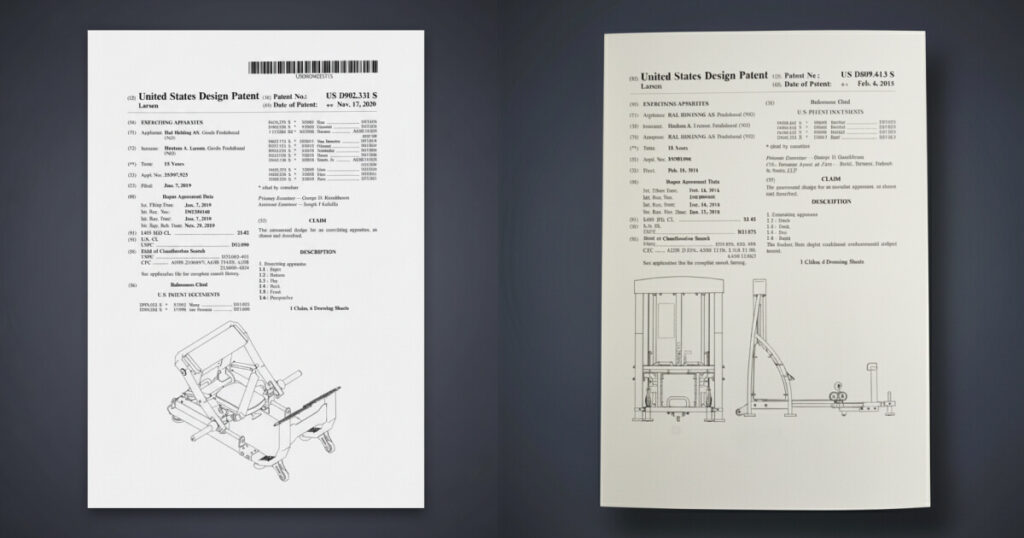
This is the first patent drawing of the original hip thrust machine - Booty Builder

This is the first patent drawing of the original hip thrust machine. 

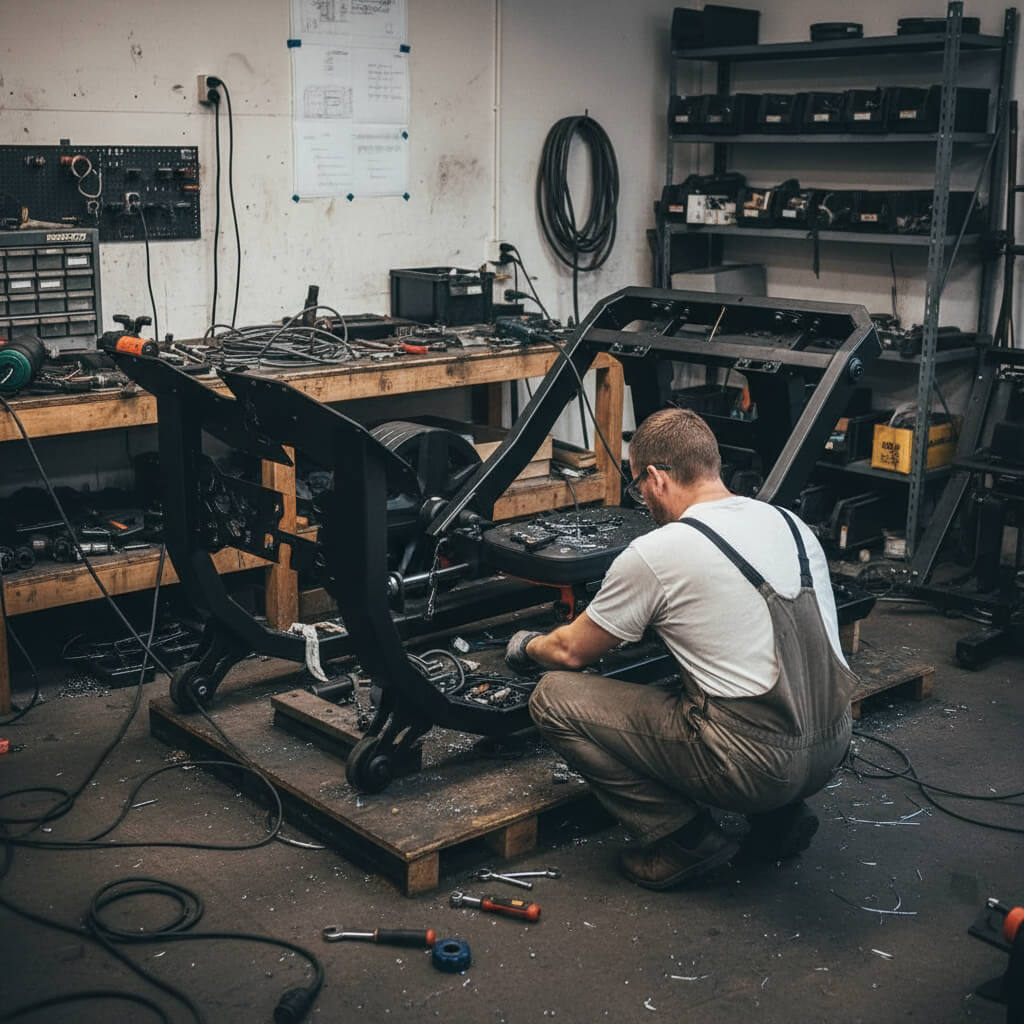
The engineer is working on the first hip thrust machine – the original hip thrust machine

This is an image illustrating building the first Booty Builder machine. 

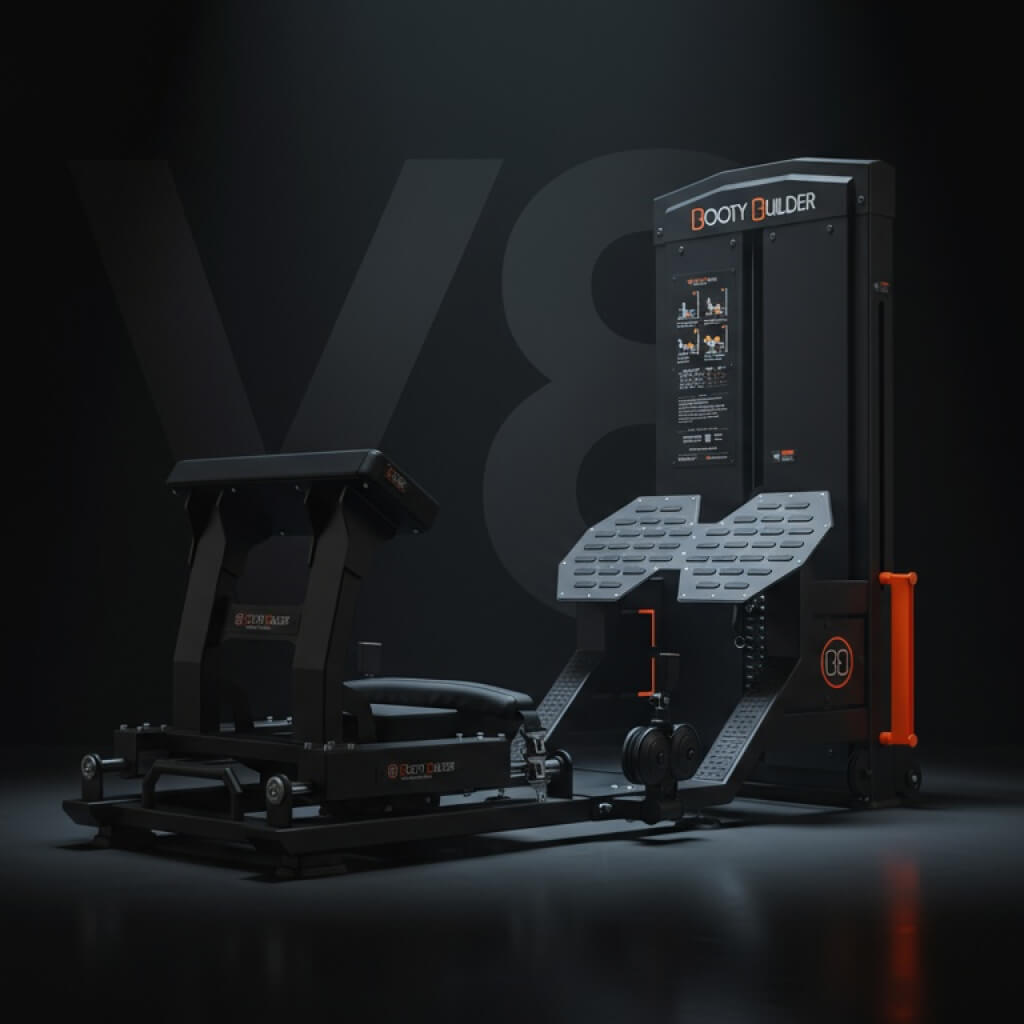
This is an image of the Booty Builder V8 hip thrust machine with the V8 text large behind the machine

The Booty Builder V8 is the most advanced Hip Thrust machine ever built.

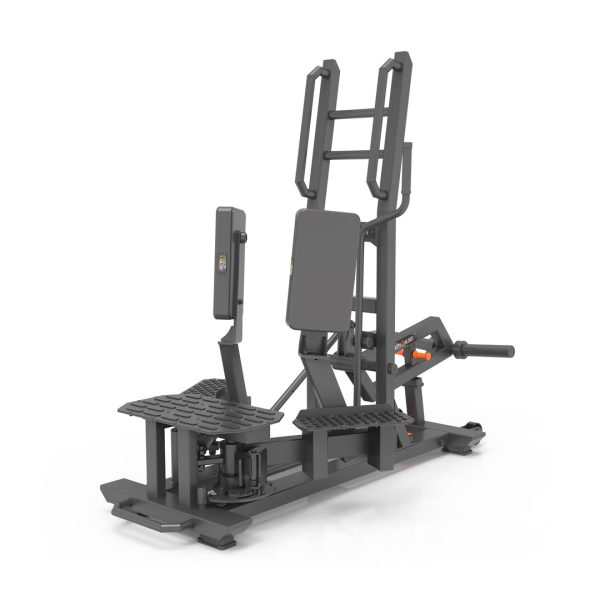
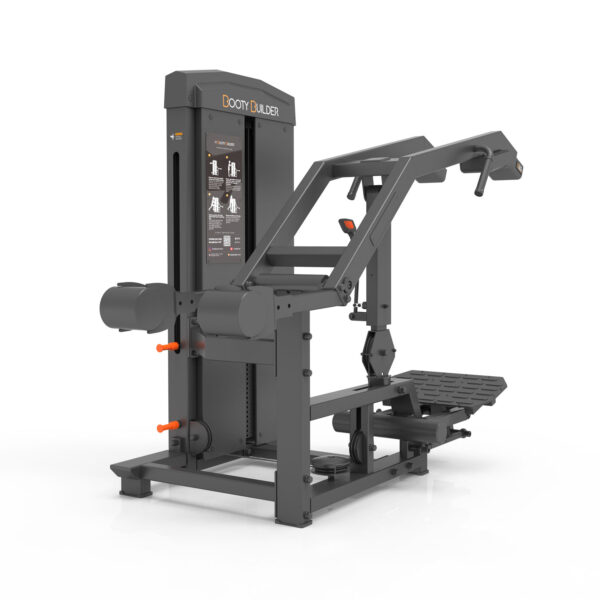
When the hip thrust gained attention in the late 2000s, strength coach Bret Contreras helped popularize the movement through research and coaching. Around the same time, Norwegian entrepreneur Haakon Larsen began developing the first commercial hip-thrust machine, a design that would later evolve into Booty Builder’s modern machines, such as the Platinum V4 Hip Thrust Machine and the V8 Selectorized Hip Thrust Machine.

Table of content

This is a navigation for this article; if you click any of the topics the page scrolls for you.

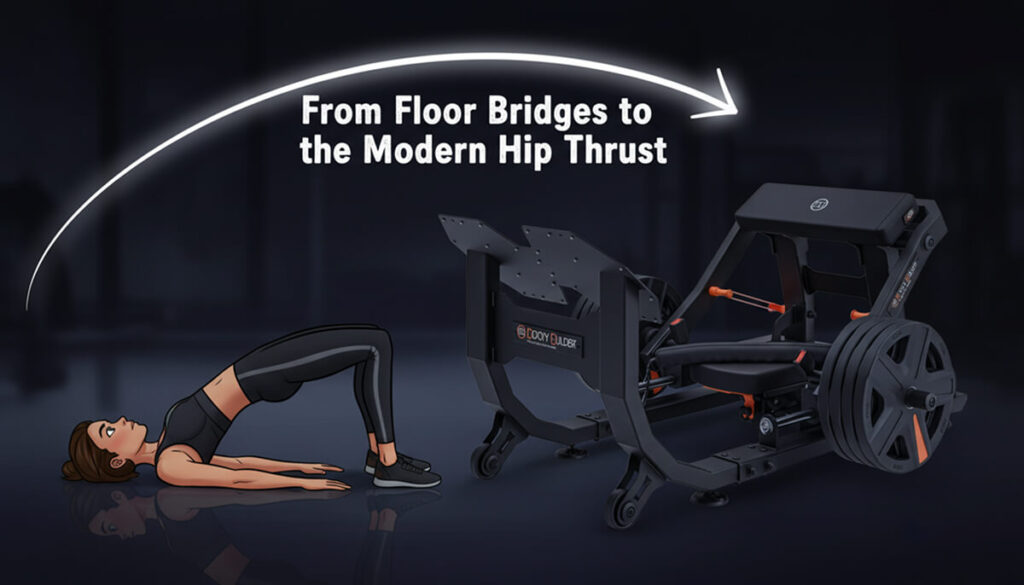
Illustration showing floor bridges transforms into the modern hip thrust

From floor bridges to the modern Hip Thrust

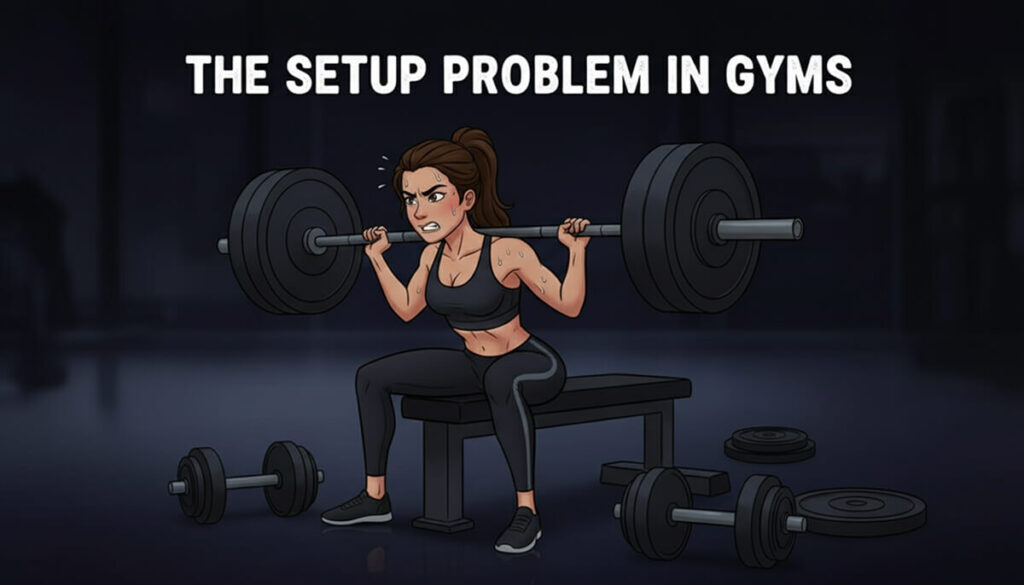
An image illustrates how it can be difficult to set up the hip thrust with a barbell and a bench

The setup problem in gyms with manual equipment

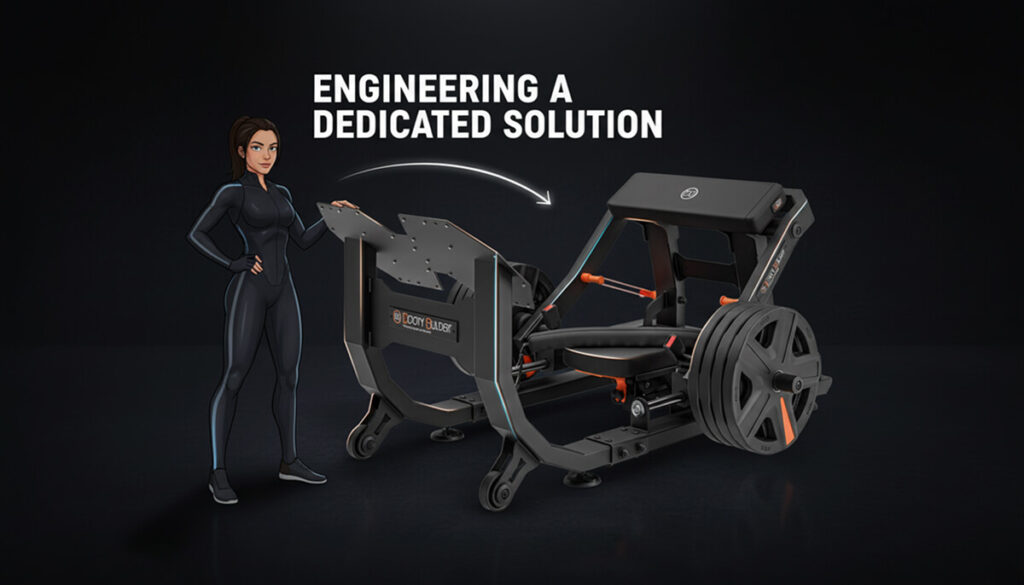
An illustration of engineering a dedicated solution to the problem rigging for the hip thrust movement

Engineering a dedicated solution to eliminate gym setup struggle

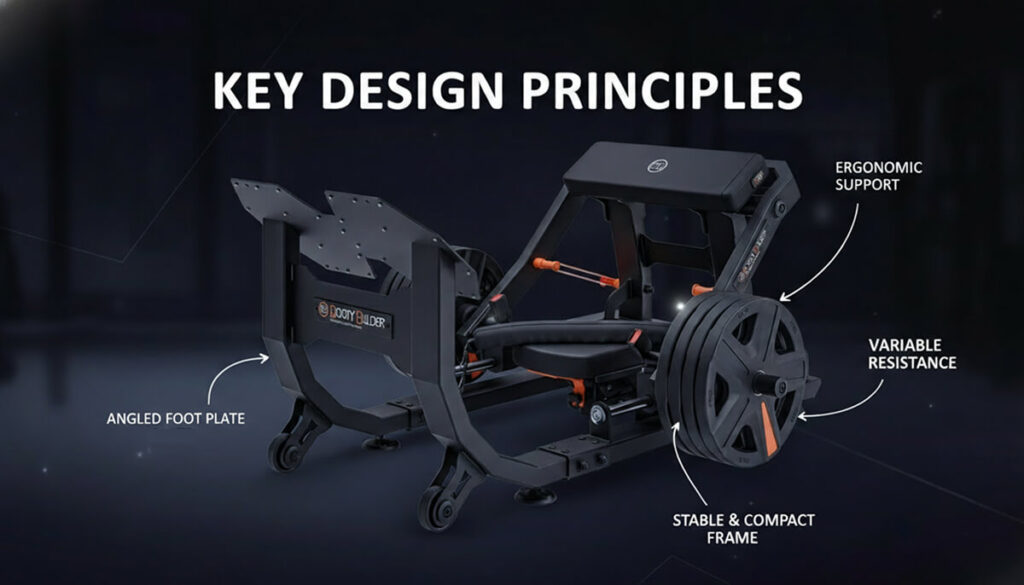
This image showcases how key design principles are essential when building a hip thrust machine

Key design principles for the glute trainer innovation

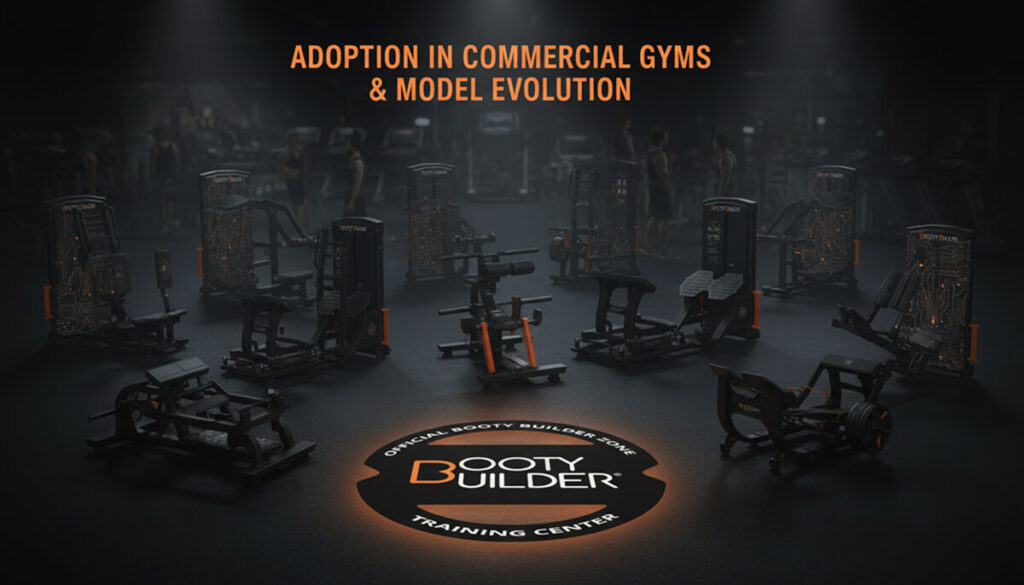
Adoption of the hip thrust machine in commercial gyms and model evolution

Adoption in Commercial Gyms & Model Evolution

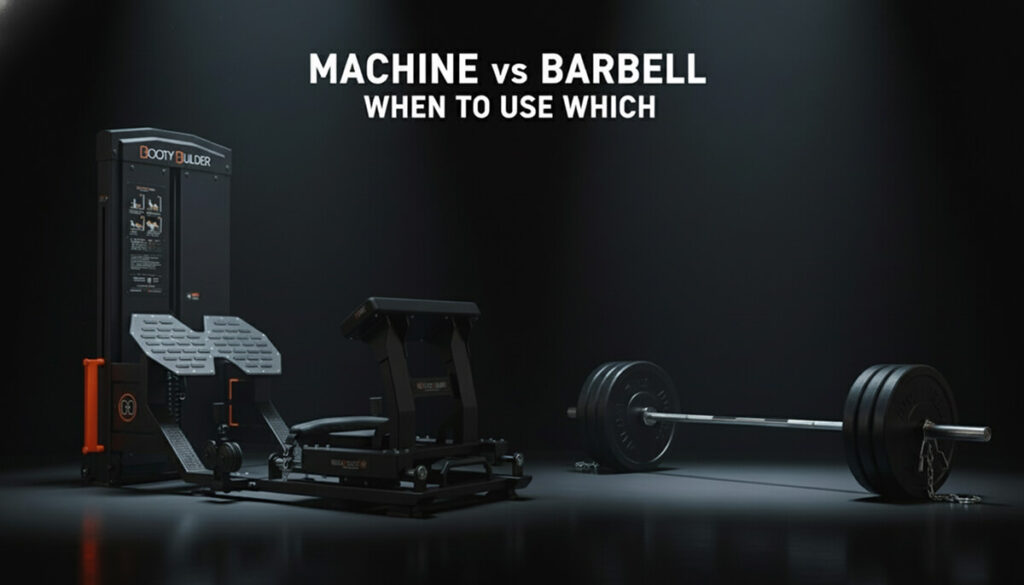
Booty Builder hip thrust machine beside barbell setup, showing machine vs barbell comparison.

Machine vs Barbell – When to use which

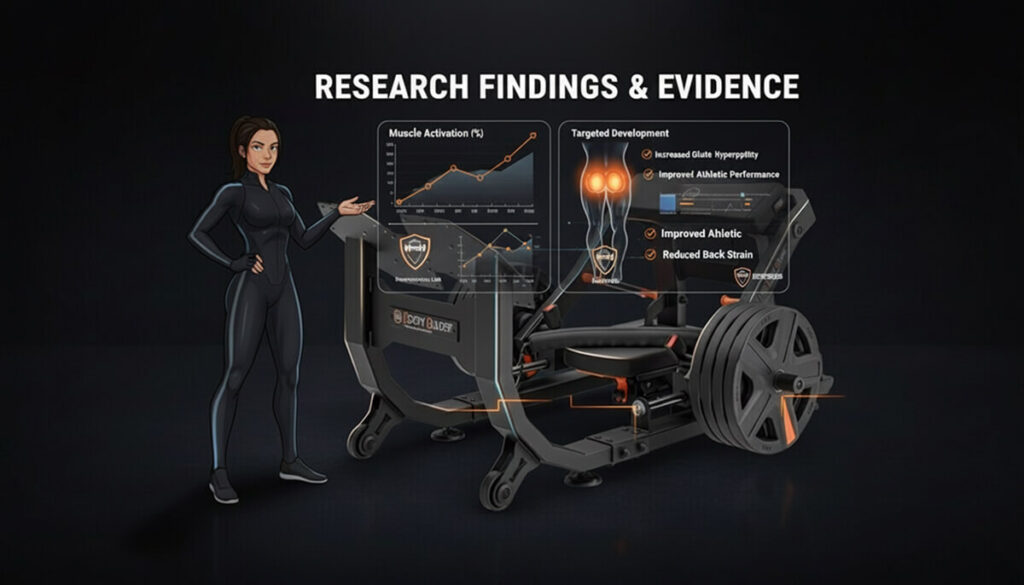
This image illustrates research findings and evidence in glute training

Research findings and evidence in glute training

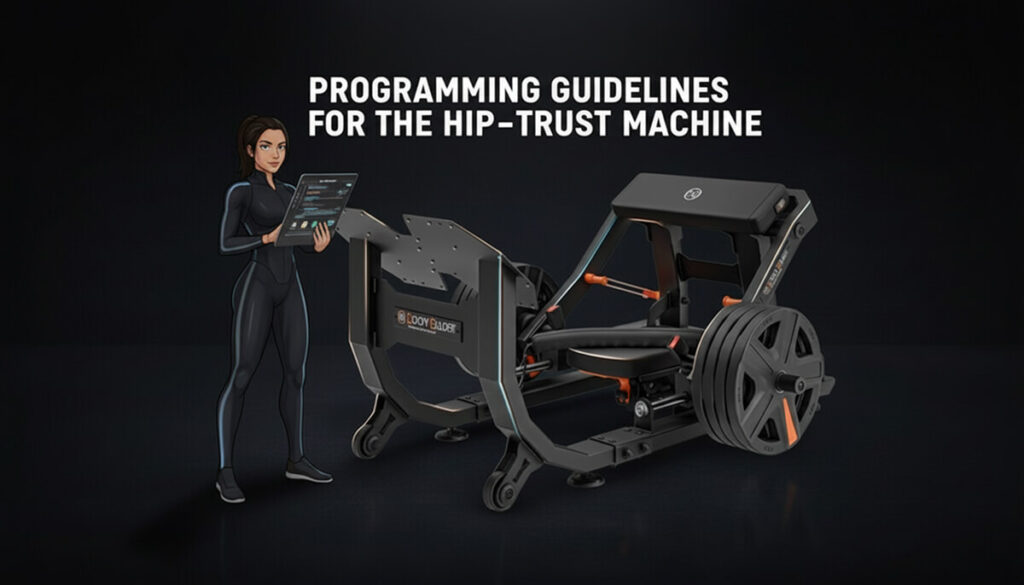
This image illustrates programming guidelines for the hip-thrust machine

Programming Guidelines for the Hip-Thrust Machine

This image has a cool text for frequently Asked Questions and is about hip thrust machines and booty builder

Frequently Asked Questions about Hip Thrust machines

From Floor Bridges to the Modern Hip Thrust

Before machines existed, the glute bridge was commonly used in physical therapy and general fitness. However, in the late 2000s, the exercise evolved into the bench-supported, externally loaded hip thrust, gaining recognition for its ability to activate the glutes more effectively than squats or deadlifts.

Studies such as the Journal of Applied Biomechanics (2015) found that the hip thrust produced greater gluteus maximus activation than the back squat under similar loading. Later, Frontiers in Physiology (2023) showed that both exercises produced similar glute hypertrophy when training volume was matched.

Illustration showing floor bridges transforms into the modern hip thrust

The Setup Problem in Gyms

Even though the barbell hip thrust worked, it had problems that limited its use in busy commercial gyms:

  • Awkward bar placement across the pelvis
  • Inconsistent bench height and setup time
  • Bar rolling and discomfort, even with padding
  • High floor space demand
  • Limited accessibility for smaller or less experienced users

For trainers and gym owners, these issues made the exercise hard to coach safely and repeatedly. As a result, the need for a stable, user-friendly setup became clear.

Engineering a Dedicated Solution

Haakon Larsen’s goal was simple: Make hip thrusting as easy and safe as using any other gym machine.

The first prototypes focused on:

  • Stable back support positioned at the lower shoulder blades
  • Angled, grippy footplate for consistent shin alignment
  • Comfortable belt resistance replacing the barbell
  • Quick adjustments for users of all sizes
  • Commercial-grade construction with small footprint

These innovations led to the creation of Booty Builder, now installed in gyms across more than 180 countries.

Discover the current Booty Builder models.

Proof of patent for the first ever hip thrust machine
Patent drawing of hip-thrust machine showing backrest, footplate, and belt path

Key Design Principles of a Dedicated Hip-Thrust Machine

Firstly a fixed backrest aligns roughly at the lower shoulder blades when the user sits on the floor or seat. This alignment creates a consistent pivot point for hip extension and ensures proper range of motion. For example, a consistent bench height also reduces variability between gyms and improves safety.

1. Angled and Textured Footplate

A mildly angled footplate helps the user achieve a vertical shin at the top of the movement, which is a common coaching cue for efficient hip extension. The textured surface improves traction and repeatability across different footwear types.

2. Belt or Weight-Stack Loading

Instead of a barbell, the machine uses a padded belt or strap to apply resistance directly over the pelvis. As a result, this system removes the discomfort of barbell pressure and prevents rolling. However, depending on the model, resistance can come from a weight stack or plate loading. Selectorized (weight-stack) models allow quick adjustments: plate-loaded versions offer greater control for progressive overload.

PLOS ONE Biomechanics study.

3. Adjustability and Fit

Multiple seat, belt, and footplate settings make the machine accessible for users of different heights and limb proportions. Above all, numbered adjustment points allow coaches to record and reproduce optimal settings, improving program consistency.

4. Range of Motion and Lockout Control

The design allows full hip extension at the top while keeping the ribcage aligned over the pelvis. For instance, end-stops and belt geometry help prevent overextension in the lower back. This focus on controlled lockout matches findings from research showing that hip extensor demands peak near end range.

5. Safety and Durability

Quick-release buckles and belt padding protect the user’s hips. In addition, The frame uses heavy-gauge steel and wide base stabilizers to handle commercial use. Non-slip surfaces, smooth linear bearings, and clear instruction labels support daily gym traffic and, as a result, reduce injury risk.

Adoption in Commercial Gyms and Model Evolution

The introduction of dedicated hip-thrust machines changed how gyms thought about glute training. For the first time, facilities could offer a movement that traditionally required benches, barbells, pads, and floor space–in a format that was safe, fast to use, and consistent for every member. As demand for glute-focused training grew, hip-thrust machines quickly became standard equipment across Europe, North America, and Asia.

Two primary categories emerged as gyms scaled their lower-body offerings:

  • Selectorized models with quick weight adjustments for high-member throughput.
  • Plate-loaded models built for strength users who prefer free-weight style loading.

Both formats preserved the biomechanics that made the hip thrust effective while fitting into different training environments. Over time, manufacturers refined designs to improve comfort, loading curves, adjustability, and machine footprint. As a result, Booty Builder machines evolved across multiple generations with changes to backrest height, belt mechanics, range-of-motion stops, footplate geometry, and frame durability to meet commercial demands.

The Rise of Dedicated Glute Zones in Modern Gyms

As awareness of glute training increased, many gyms began creating dedicated glute-focused areas—spaces designed to highlight high-demand movements like the hip thrust, abduction work, and single-leg hinge variations. Booty Builder zones became a foundation for this shift, offering a structured way to deliver glute-focused training for both individuals and small groups.

These zones serve several key roles within a modern facility:

1. Member Attraction:
Glute training remains one of the fastest-growing fitness trends globally. In other words, gyms featuring dedicated equipment and spaces often see stronger interest from new members looking for targeted solutions. A well-designed glute zone signals that a facility understands modern training needs.

2. Member Retention and Engagement:
Dedicated zones encourage repeated use because they simplify training sessions and reduce the frustration of assembling makeshift setups. As a result, when members find equipment that helps them train more confidently and comfortably, they return more often and stay longer.

3. Group Training and Class Integration:
Glute zones allow gyms to incorporate hip thrusts, abduction patterns, and hinge-based movements into small-group programs without the logistical challenges of benches and barbells. This creates new revenue opportunities for personal trainers and boosts overall engagement.

4. Clear Training Flow:
Zones create intuitive paths for training sessions. Members can move from hip thrusts to step-ups, abduction, split squats, or posterior-chain movements without leaving the area or competing for floor space. This improves gym flow and reduces congestion during peak hours.

Adoption of the hip thrust machine in commercial gyms and model evolution

Why Glute Zones Became Essential

The popularity of glute training is not driven only by aesthetics. Strong glutes contribute to:

  • Better athletic performance (sprinting, jumping, acceleration)
  • Lower risk of injury by stabilizing the pelvis and lower back
  • Improved posture and spinal alignment
  • Greater metabolic output from training large muscle groups
  • Better overall strength and movement confidence

When these benefits became more widely understood, consumer demand for glute-specific equipment and programming increased. In conclusion, today, glute zones are considered a must-have feature for many facilities, and Booty Builder machines are often used as the anchor pieces within these areas.

Machine vs Barbell: When to Use Which

Booty Builder hip thrust machine beside barbell setup, showing machine vs barbell comparison.

Both the machine and barbell versions of the hip thrust train hip extension and glute strength effectively. The choice depends on user preference, equipment availability, and training style.

The machine version offers:

  • Quick setup and consistent positioning.
  • Comfort through padded belt loading.
  • Suitable for beginners, athletes, and experienced lifters seeking efficient sessions.
  • Adjustable settings that make it practical for both commercial and home gyms.
  • Available in both selectorized and plate-loaded versions.
  • Requires less floor space in the gym.
  • Improved range of motion.
  • EMG analyses show higher activation of the hamstrings.
  • Provides constant activation across multiple muscle groups and the nervous system.
  • Increases heart rate and oxygen demand, delivering a greater overall training effect.

The barbell version offers:

  • A traditional, old-school feel to the movement.
  • Potentially higher external loads, though the engineering of the Booty Builder Platinum V4 makes the resistance far more efficient – approximately 200 kg on the V4 equals around 400 kg on a standard barbell setup.
  • Pelvic and hip pain.

In practice, the machine version has become the preferred solution for most training environments. It delivers consistent resistance curves, safer mechanics, and improved user experience without sacrificing intensity.

Where the barbell demands time-consuming setup and increased pelvic pressure, the machine design focuses on precision, comfort, and progressive overload.

In Booty Builder’s training philosophy, the machine solves those issues so well that, when a hip thrust machine is available, there is no practical reason to choose the old barbell-and-bench setup instead. The machine delivers the same movement pattern with higher comfort, more consistent tension, and far better usability for most lifters.

Free-weight lifts still play a big role in our combined programs – squats, deadlifts, split squats, step-ups, and similar patterns are all great barbell exercises, but for the hip thrust itself, we recommend using the Booty Builder machine over the barbell version whenever possible.

Understanding Training Variation

Effective glute training isn’t about stacking every leg exercise you know – it’s about choosing movements that challenge the muscles in different angles, ranges, and resistance curves.

Doing a squat, hack lift, and leg press back-to-back mainly repeats the same hip-knee motion. Your body doesn’t register that as “three exercises”; it sees one pattern done three times.

To keep progressing, you need variety in movement direction (horizontal vs vertical load), muscle length, and tempo – not just new machines.

That’s the difference between training hard and training smart.

Strength program: Booty Builder Equipment

A focused program using Booty Builder machines to build maximal hip-extension power.
Low to moderate reps with controlled form target neural efficiency and explosive glute drive while maintaining perfect setup and safety. Longer rest between sets up to 3 minutes.

Nr.

Exercise

Equipment

Sets

Note

1.

Hip Thrust

Booty Builder Platinum V4

4 X 5

Main glute power lift – drive through heels, full hip extension, short pause at top.

2.

Squat

Booty Bulder V Squat

3 x 4

Vertical strength move – hips back, stay upright, push evenly through heels.

3.

Sliding lunges

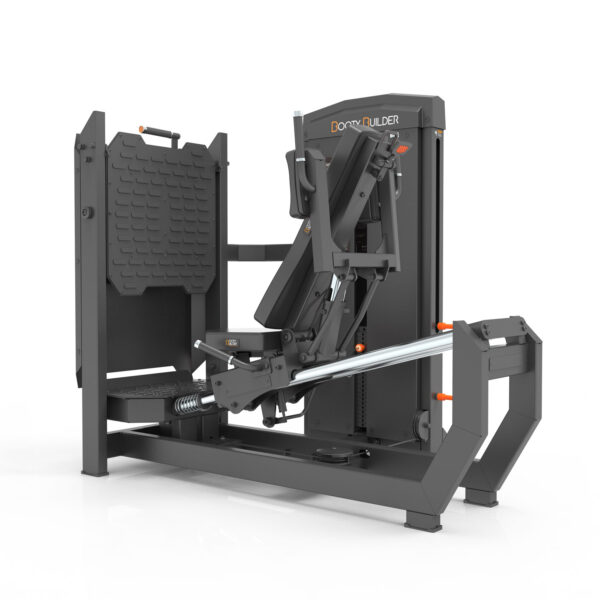
Booty Builder Reverse Lunge Machine

2 x 8

Unilateral drive for balance and stability: Control the slide and push front heel.

4.

Single-leg RDL

Booty Builder Selectorized Deadlift/Split Squat

3×8

Controlled hip-hinge for posterior-chain strength: Keep a slight knee bend.

5.

Hip Adductor

Booty Builder Selectorized Standing Adductor

2 x 8

Inner-thigh stability work: Smooth motion, constant tension throughout.

Hip thrusts and the squat could both be the first exercise and be interchanged for variation.

Hypertrophy program: Booty Builder Equipment

Higher-volume sessions are designed to maximize glute activation and muscular pump.

Emphasis on tempo control, deep range of motion, and strategic use of the Booty Builder hip-thrust and abduction machines to isolate and fatigue the glutes safely.

Rest between 1 minute 30 seconds to 1 minute on the last exercise.

Nr.

Exercise

Equipment

Sets

Note

1.

Hip Thrust

Booty Builder V8

3 X 12

Focus on deep stretch and strong squeeze: Slow 2 to 3-sec lower phase.

2.

Bulgarian split squat

Booty Builder Selectorized Deadlift/Split Squat

3 x 10

Full range with controlled tempo: Feel constant glute tension throughout.

3.

Single-leg back extension

Booty Builder Selectorized Back Extension

3 x 10

Smooth movement, emphasize glutes at top: Avoid hyperextending.

4.

Hip Abductor

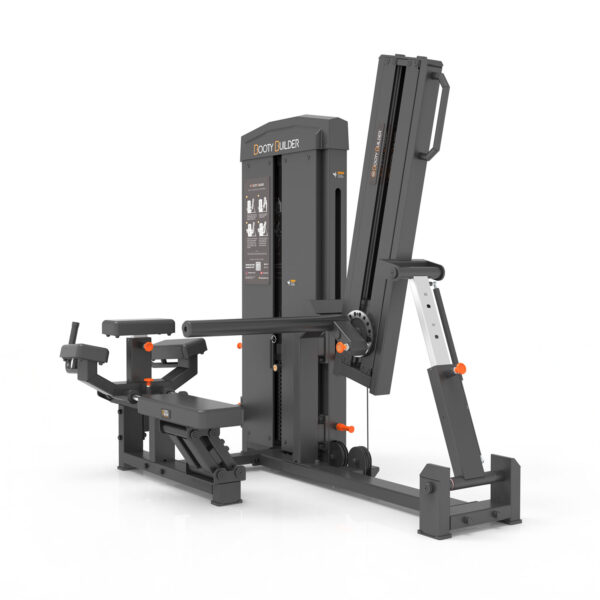
Booty Builder Selectorized 3D Multi-Abductor

2 x 15

High reps for constant burn: Short range and minimal rest between sets.

Strength program: Combined Barbell + Machines

Combines free-weight compound lifts with Booty Builder machines for optimal force production and joint stability.

Barbells develop raw strength; machines refine the movement and reinforce power through consistent angles and resistance.

Longer rest between sets up to 3 minutes.

Nr.

Exercise

Equipment

Sets

Note

1.

Barbell Squats

Booty Builder V8

4 X 3

Max-effort strength lift. Keep chest up, hips back, and drive evenly through heels. Focus on depth and controlled ascent.

2.

Hip Thrust

Booty Builder Platinum V4

3 x 6

Main glute power movement. Explosive drive through heels, full hip lockout, 1-second pause at top. Control the descent.

3.

Bulgarian Split Squat

Dumbbells 

3 x 6

Unilateral strength and balance. Keep tension in front leg, vertical shin, and steady tempo throughout.

4.

Single-leg Back extenstion

Booty Builder Selectorized Back Extension

3 x 6

Controlled hip-hinge for posterior chain strength. Keep a slight knee bend and full glute contraction at the top.

Hypertrophy program: Combined Barbell + Machines

Combined training still has clear benefits.

The Booty Builder hip thrust machine is a compound, glute-dominant lift that drives powerful hip extension with involvement from the hamstrings and quads.

Traditional free-weight lifts like squats, deadlifts, and split squats add heavy mechanical tension from the ground up and load the glutes together with the rest of the lower body.

Rest between 1 minute 30 seconds to 1 minute on the last exercise.

Nr.

Exercise

Equipment

Sets 

Note

1.

Hip thrust

Booty Builder V8

3 X 12

Main glute builder. Drive through heels, squeeze hard at full extension, and control the lower phase for constant tension.

2.

Barbell Squats

Barbell

3 X 10

Focus on depth and controlled tempo. Keep chest tall, hips back, and push evenly through heels to engage glutes and quads.

3.

Step-up

Booty Builder Selectorized Step-Up

3 X 12

Slow and controlled ascent. Press through the heel, avoid bouncing, and fully extend the working leg at the top.

4.

Single-leg RDL

Booty Builder Selectorized Deadlift/Split Squat

2 X 12

Maintain balance and stretch in the hamstring. Hinge at the hip, keep tension on the glute throughout, and move smoothly.

5.

Hip Abductor

Booty Builder Selectorized 3D Multi-Abductor

2 X 15

Controlled outward drive. Focus on glute contraction and slow return to maintain time under tension.

Research Findings and Evidence

Several independent research papers have examined the biomechanics and training outcomes of the hip thrust exercise.

1. Electromyography comparison
Research published in peer-reviewed journals shows that hip thrusts produce high activation in the gluteus maximus and biceps femoris compared to squats under matched loading. While EMG does not directly predict hypertrophy, these results confirm that the hip thrust strongly recruits the glutes.

2. Biomechanical analysis
Biomechanical research has demonstrated that hip extensor torque and glute activation peak near the top of the hip thrust, which explains why coaches emphasize a controlled lockout and full hip extension.

3. Randomized trial on hypertrophy:
Randomized training studies comparing hip thrusts and squats over multi-week programs have found similar improvements in glute growth and lower-body strength when both are programmed effectively.

4. Systematic review:
Reviews of the scientific literature conclude that both barbell and machine variations of the hip thrust can effectively strengthen the glutes when programmed with appropriate load and volume.

Summary takeaway:
Research consistently supports the hip thrust as an effective hip-extension exercise. A machine-based design preserves the same biomechanics while improving comfort, setup, and consistency.

Programming Guidelines for the Hip-Thrust Machine

Frequency and load:
Perform hip-thrust movements two to three times per week as part of lower-body training. Use moderate to heavy resistance that allows six to twelve repetitions with good form.

Set and rep examples:

  • Strength focus: 3 to 5 sets of 5 to 8 repetitions with controlled tempo.
  • Muscle growth focus: 3 to 4 sets of 8 to 12 repetitions with a short pause at the top.
  • General fitness or beginners: 2 to 3 sets of 10 to 15 repetitions at comfortable resistance.

Technique reminders:

  • Keep the ribcage aligned over the pelvis throughout the movement.
  • Drive through the heels to lift the hips.
  • Pause briefly at the top for maximum glute engagement.
  • Lower slowly and avoid bouncing off the bottom position.

Common progressions:

  1. Bodyweight hip thrust.
  2. Belt or light stack resistance.
  3. Heavier machine load or single-leg variation.
  4. Advanced use of bands for added tension near lockout.

Safety note:
Adjust belt and backrest settings before loading. Check that all movement paths are smooth and stable.

Frequently Asked Questions

Yes. Both load hip extension and can produce similar strength and muscle gains when training volume and effort are equal.

The mild angle helps users achieve a vertical shin at lockout, improving alignment for full hip extension.

A brief pause at the top emphasizes end-range glute contraction and control.

Resistance curves differ, so weight values are not directly comparable. Track progress with repetitions, sets, and effort level instead of kilograms.

The machine is suitable for beginners, athletes, and home gym owners. Adjustable settings allow everyone to find a comfortable and safe range of motion

No. The hip thrust targets hip extension specifically, while squats involve both hip and knee extension. Many programs use both for complete lower-body training.